
You brush your teeth, try to avoid too much sugar, and still end up hearing that word nobody wants at a dental visit: cavity. That can feel frustrating, especially when you thought you were doing enough. Tooth decay often builds slowly, quietly, and without much warning, which is part of why it catches so many people off guard. In some cases, untreated decay can progress and require root canal treatment in Brookhaven, GA.
The good news is that cavities are not just about bad luck. Your daily habits, the bacteria in your mouth, the foods and drinks you reach for, and how often you get professional care all shape what happens next. If you want ways to prevent tooth decay, the path is usually simple, but it does need to be consistent.
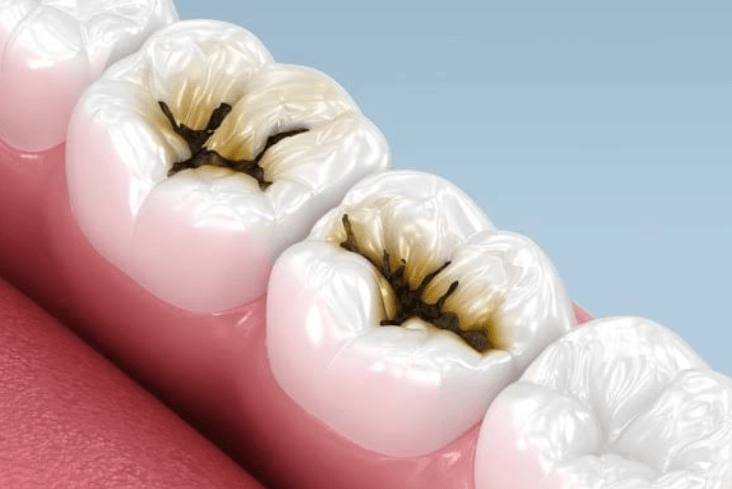
Cavities and tooth decay happen when acids made by mouth bacteria wear down the hard surface of your teeth. According to the National Institute of Dental and Craniofacial Research, decay starts as minerals leave the tooth surface, then deepens if that cycle keeps repeating. You can read more about the tooth decay process. The short version is clear: lower the acid attacks, help your teeth rebuild, and you cut your risk.
Daily habits shape your future cavity risk
Most people do not get cavities from one dessert or one missed brushing session. It is the pattern that matters. Sipping soda for hours, grabbing sticky snacks between meals, falling asleep without brushing, or dealing with dry mouth can keep your teeth under repeated acid attacks. That is when weak spots turn into real decay.
This is also why two people can eat similar foods and have very different outcomes. One person has good saliva flow, fluoride exposure, and steady brushing habits. The other has dry mouth from medication, snacks all day, and has not seen a general dentist in a while. The risk is not spread evenly.
If you have had a cavity before, that history matters. It often means the same risk factors are still in place unless something changes. The goal is not perfection. It is reducing the number of chances bacteria get to damage your teeth.
Six ways to lower your risk of future cavities
Brush twice a day with fluoride toothpaste. Fluoride helps repair early damage before it becomes a hole in the tooth. The CDC explains how fluoride protects teeth by strengthening enamel and making teeth more resistant to acid.
Floss once a day. Cavities often form between teeth where your toothbrush cannot reach well. Flossing removes plaque and food from those tight spaces before bacteria can feed on them.
Cut down on frequent sugar exposure. The issue is not only how much sugar you eat. It is how often your teeth are exposed to it. A cookie with lunch is less harmful than constant snacking or sipping sweet drinks all afternoon.
Choose water more often. Water helps rinse away food particles and acids, and if it is fluoridated, it gives your teeth extra protection. Swapping sports drinks, soda, or sweet coffee for water more often can make a real difference.
Watch for dry mouth. Saliva helps protect your teeth by washing away debris and neutralizing acids. If your mouth feels dry often, especially from medications or medical conditions, your cavity risk rises. Sugar free gum, more water, and a talk with your dentist can help.
Keep regular dental cleanings and exams. Early decay may not hurt, which means you may not know anything is wrong until the damage is larger and more expensive to fix. Routine visits give a general dentist the chance to spot problems early and help you adjust your habits before a small issue turns into a filling, crown, or root canal.
Home care and professional dental care work better together
People sometimes treat this like an either or choice. They either rely on home care and hope for the best, or they assume cleanings alone will protect them. Neither approach works well by itself. Brushing and flossing lower the daily bacterial load. Professional care catches weak areas, removes hardened buildup, and helps you respond before decay spreads.
| Approach | What It Helps With | Limits |
|---|---|---|
| Brushing with fluoride toothpaste | Removes plaque, strengthens enamel, lowers acid damage | Misses tight spaces and does not remove tartar |
| Daily flossing | Cleans between teeth where cavities often start | Depends on consistent technique and routine |
| Diet changes | Reduces how often bacteria produce acid | Hard to maintain if you snack or sip often |
| Regular dental visits | Finds early decay, removes buildup, guides prevention | Cannot offset poor daily habits at home |
If you are trying to find how to avoid cavities, this is usually the answer people need to hear. Small daily choices matter, and professional care supports those choices instead of replacing them.
Three steps you can take right away
Track your sugar timing for three days. Write down when you snack or sip anything sweet. Many people notice the real issue is not meals. It is the constant grazing, energy drinks, sweet coffee, or candy mints that keep acid levels high all day.
Upgrade your brushing routine tonight. Use a fluoride toothpaste, brush for two full minutes, and spit without rinsing right away so more fluoride stays on the teeth. If you skip flossing, start with just one section each night until the habit sticks.
Schedule a preventive dental visit before pain starts. Cavities are easier and less expensive to handle when they are small. A routine exam with a general dentist can show whether you have early weak spots, dry mouth issues, or plaque buildup that is raising your risk.
Lowering your cavity risk starts with steady habits
If you have been dealing with repeat cavities, you are not failing. You are usually seeing the result of a few risk factors adding up over time. The fix is often less dramatic than people expect. Better fluoride use, fewer sugary exposures, daily flossing, more water, and regular dental care can change the direction of your oral health.
You do not need to overhaul everything at once. Start with one or two changes you can keep doing next week and next month. That is what lowers your risk over time. If you are due for an exam, schedule a visit with a dentist and get a clear picture of what your teeth need now.