
You finally made the dental appointment, then heard the words “deep cleaning” and felt your calendar tighten in your chest. Work is busy, your family needs you, and the idea of multiple visits for gum treatment can feel like one more thing you do not have time for. That reaction is common. When a periodontist recommends scaling and root planing, the issue is not just plaque under the gums. It is also how to fit treatment into a life that is already full. For patients also exploring implant supported dentures in King of Prussia, PA, coordinating care can feel especially important.
The good news is that deep cleaning is often planned in stages for exactly this reason. Treatment can usually be divided into sections of the mouth, which makes appointments shorter and recovery easier to manage. If you are trying to balance your health with meetings, school pickup, travel, or caregiving, deep cleaning in stages can make care feel possible instead of overwhelming.
Staged Scaling and Root Planing Protects Time and Gum Health
Gum disease tends to build quietly. You may notice bleeding when you brush, bad breath that keeps coming back, tenderness, or gums that seem to be pulling away from the teeth. According to the National Institute of Dental and Craniofacial Research on gum disease, plaque and tartar under the gumline can lead to inflammation and damage around the teeth. When that buildup sits deep below the gums, a regular cleaning is not enough.
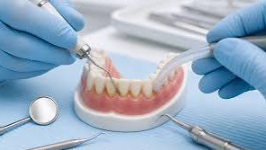
That is where scaling and root planing comes in. Scaling removes plaque and tartar from above and below the gumline. Root planing smooths the root surfaces so the gums can heal and reattach more easily. The procedure is a standard non surgical treatment for periodontal disease, and the medical overview in the NCBI periodontal disease reference explains why controlling bacteria below the gums matters so much.
If your whole mouth needs treatment, doing everything in one long visit may sound efficient, but it is not always the easiest option. Your mouth may stay numb for hours, eating can be awkward, and going right back into a packed day may not be realistic. Staging care by quadrant or half mouth gives you room to recover, keep up with work, and avoid turning one appointment into a full day of disruption.
Planning Around Work and Family Reduces Missed Care
People often delay treatment because they assume they need a large block of free time. Then weeks turn into months, and the gums keep getting worse. Early to moderate periodontal treatment is much easier to manage than advanced disease. Infection that stays active can deepen pockets around the teeth, loosen support, and increase the chance that future treatment becomes more involved.
You may be wondering what a staged plan actually looks like. One common approach is two visits, one side of the mouth at each appointment. Another is four shorter visits, one quadrant at a time. A periodontist may also time treatment around your pain tolerance, need for local anesthetic, medical history, or whether certain areas are more urgent than others. The details depend on the condition of your gums, but the principle stays the same. Break treatment into parts you can actually complete.
This is also why scaling and root planing around your schedule matters. A treatment plan only works if you can follow through. Morning appointments may let you return to work by afternoon. End of day visits may be better if numbness makes speaking awkward. If you travel often, treating the most inflamed areas first can buy time while keeping the plan moving.
Comparing Staged Deep Cleaning Options
| Approach | Typical Schedule Impact | Recovery Considerations | Best Fit |
|---|---|---|---|
| Full mouth in one visit | Largest single time block | More numbness at once, eating and speaking may be harder that day | People with flexible schedules who want fewer visits |
| Half mouth in two visits | Moderate time per visit | One side treated at a time, easier to function after | People balancing work and home responsibilities |
| Quadrant treatment in four visits | Shortest visits, more total appointments | Smaller treated area each time, often easiest recovery | People with tight schedules, anxiety, or sensitivity |
A staged plan does not make treatment less serious. It makes it more doable. For many people, that is the difference between starting care now and putting it off again. The clinical overview in the NCBI scaling and root planing resource supports the role of this root surface cleaning in managing periodontal disease and reducing bacterial buildup beneath the gums.
Practical Steps for Scheduling Gum Treatment Without Derailing Your Week
Ask for a phased treatment plan. Tell the periodontist what your week actually looks like. Say if you have public facing work, school drop offs, travel, or limited childcare. A realistic plan for periodontal deep cleaning is better than an ideal plan you cannot keep.
Group appointments around low demand days. If Mondays are packed and Fridays are lighter, schedule treatment when you have the most room to recover. If local anesthetic usually leaves you numb for a while, avoid placing treatment right before a long presentation, a flight, or an important meal.
Prepare for the first 24 hours. Have soft foods ready, keep your evening lighter if possible, and follow home care instructions closely. Good brushing, flossing or interdental cleaning, and any rinses your provider recommends will help the gums settle down between visits and improve the result of the cleaning.
Deep Cleaning Becomes Manageable With the Right Plan
You do not need a perfect month to start treatment. You need a plan that matches real life. A periodontist can often divide care into stages so you can protect your gums without dropping everything else. If bleeding, tenderness, or gum recession has been hanging around, this is the time to set up the next step and get a schedule that works for you.