
You already have enough to keep track of. School forms, work schedules, sports practice, a child with a cough that showed up at bedtime, an older parent who keeps putting off checkups. Preventive care often ends up at the bottom of the list because no one feels sick right now. That is usually how problems get expensive, painful, and harder to fix. An experienced dentist in Westminster can help you stay ahead of those issues with regular preventive care.
The point of prevention is simple. Catch issues early, lower the risk of serious illness, and make everyday health easier to manage. For many families, that means building a routine around a few core services instead of waiting for something to go wrong. Preventive health services for families are less about doing everything and more about doing the right things on time.
Annual primary care visits catch small problems before they grow
A yearly checkup sounds basic, but it does a lot. Blood pressure, weight changes, cholesterol, blood sugar, medications, sleep, stress, and family history can all point to risks that are easy to miss in daily life. You might feel fine and still have rising blood pressure or early signs of diabetes.
This matters because chronic disease often builds quietly. The CDC explains how preventive care helps reduce the burden of chronic illness, especially when screenings and counseling happen before symptoms start affecting work, school, or home life. One visit can also help you sort out what each person in your family actually needs, instead of guessing based on age alone.
See also: What Families Should Know About Temporary Dental Restorations
Vaccinations protect more than the person getting the shot
Families usually think about vaccines when school starts or flu season picks up. The reality is broader. Infants, teens, adults, pregnant people, and older adults all have recommended schedules, and falling behind happens fast when life gets busy. One missed appointment can turn into several months of delay.
That delay can leave gaps in protection at the worst time, especially if someone in your home has asthma, a weakened immune system, or frequent contact with babies or grandparents. The CDC keeps updated immunization schedules by age and health status, which makes it easier to see what is due now and what should be planned next. This is one of the most practical forms of family wellness care because it protects the household as a whole.
Dental cleanings and a family dentist help prevent pain, infection, and bigger bills
Dental care gets postponed for a reason. If no one is complaining, it feels safe to wait. Then a small cavity turns into a toothache on a weekend, a child needs urgent treatment, or an adult learns that bleeding gums were an early sign of gum disease. Teeth do not usually give much warning.
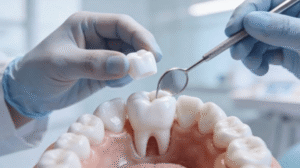
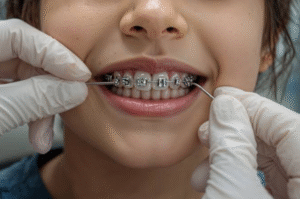
Routine cleanings and exams help catch decay, enamel wear, bite issues, and gum problems before they become emergencies. A Family Dentist can also track changes over time, which matters when you are juggling care for both children and adults. That continuity makes it easier to spot habits like grinding, mouth breathing, or skipped brushing that may be affecting oral health more than you realized.
Vision and hearing screenings support learning, safety, and daily comfort
Children do not always know how to describe blurry vision or mild hearing loss. Adults often adapt without noticing it. You sit closer to a screen, turn up the TV, miss part of a conversation, or assume headaches are just stress. For kids, these issues can show up as trouble reading, frustration in class, or behavior that gets mistaken for lack of focus.
Regular screenings can catch those changes early. That can mean glasses before school performance drops, hearing support before speech or communication suffers, and fewer avoidable accidents caused by poor sight or hearing. This is one of those preventive care services that seems minor until you realize how much of daily life depends on it.
Mental health screenings can uncover strain your family has been carrying quietly
Not every health issue is physical. Anxiety, depression, burnout, and behavioral concerns often build in silence because families are trying to hold everything together. A teen may seem withdrawn. A parent may be short tempered, exhausted, and unable to sleep. An older adult may stop engaging and call it normal aging.
Screenings through a primary care visit, pediatric appointment, or counseling office can open the door to support before a crisis develops. Early help often means shorter treatment, better coping skills, and less disruption at home. It also reduces the shame that keeps people from speaking up.
Skin checks and basic self-exams help spot visible warning signs early
Skin changes are easy to ignore because they often do not hurt. A mole shifts shape, a rough patch does not heal, a spot starts bleeding now and then, and life keeps moving. The same pattern shows up with self-exams for breast or testicular changes. People notice something, then wait because they do not want to overreact.
According to MedlinePlus guidance on skin self-exams, checking your skin regularly can help you notice changes worth discussing with a clinician. This is not about panic. It is about knowing what is normal for your body so unusual changes do not go unchecked for months.
Comparing common preventive care services makes planning easier
| Service | Best Timing | What It Can Catch Early | What Waiting Can Lead To |
|---|---|---|---|
| Primary care checkup | Yearly | High blood pressure, diabetes risk, medication issues | Advanced chronic disease, higher treatment costs |
| Vaccinations | By age and schedule | Gaps in immunity | Preventable illness, missed school or work |
| Dental exam and cleaning | Every 6 months for many patients | Cavities, gum disease, bite problems | Tooth pain, infection, root canals, tooth loss |
| Vision and hearing screening | As recommended by age and symptoms | Vision changes, hearing loss | Learning problems, safety issues, headaches |
| Mental health screening | During routine care or when concerns start | Anxiety, depression, behavior changes | Crisis, school or work decline, family strain |
| Skin checks and self-exams | Regular home checks and clinical review as needed | Changing moles, nonhealing spots | Delayed diagnosis and more involved treatment |
Small steps make family preventive care more manageable
Pick one month for appointments. Many families do better when they batch care. Choose one month for annual physicals, dental visits, and screenings, then set reminders for follow ups before you leave each office.
Use one shared health list. Keep a simple record of medications, allergies, vaccine dates, chronic conditions, and provider names for each family member. This cuts down on stress during appointments and helps you notice gaps in care faster.
Start with the service most likely to be overdue. For some families, that is vaccines. For others, it is a dental cleaning with a Family Dentist or a long delayed annual exam. The best preventive medicine services are the ones you actually schedule and keep.
Prevention does not remove every health problem, but it does give your family a better chance of avoiding the ones that grow in silence. If you have been putting this off, you are not alone, and you do not need a perfect system to begin. Start with the next appointment that protects the most people in your home, and build from there.