
You brush, floss when you can, and book dental visits when life allows with your dentist in Woburn. It is easy to think of those appointments as being about teeth, fillings, or a cleaning you have been putting off. What gets missed is that a routine dental visit can also be one of the first places a serious health problem shows up. That is where oral cancer screenings matter. They are quick, painless, and often folded into a regular exam, yet they can catch changes early, when treatment is simpler and outcomes are better.
If you have ever shrugged off a sore spot in your mouth, blamed irritation on stress, or told yourself you would watch it for another week, you are not alone. Most people do that. The trouble is that oral cancer does not always announce itself in a dramatic way. It can begin as a patch, a lump, a sore that does not heal, or a change you barely notice. Why oral cancer screenings in general dentistry save lives comes down to one thing. Earlier detection gives you more options and a better chance of successful treatment.
General dentistry visits often catch oral cancer early
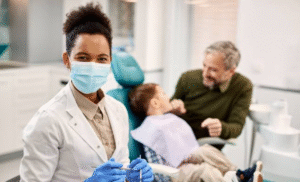
Many signs of oral cancer are visible during a routine dental exam before they cause major pain. Dentists look at far more than your teeth. They check the tongue, gums, cheeks, floor of the mouth, roof of the mouth, lips, and throat area for unusual changes. A good screening also includes feeling for lumps or tenderness in the jaw and neck.
That matters because oral cancer can spread quietly. Waiting until something hurts can mean waiting too long. According to the National Institute of Dental and Craniofacial Research, learning the signs, symptoms, and risk factors of oral cancer helps people seek care sooner, but many early cases still depend on a trained clinician noticing a problem first.
Risk is not limited to one type of person. Tobacco use, heavy alcohol use, HPV infection, sun exposure on the lips, and age can raise risk, but people without obvious risk factors can still develop oral cancer. That is one reason oral cancer screening in dentistry should not be treated as optional or only for high risk patients.
Small symptoms are easy to ignore and expensive to delay
A white patch that does not go away. A red area that keeps coming back. Numbness, trouble swallowing, a persistent sore throat, loose teeth without a clear reason, or pain when moving the tongue. None of these symptoms guarantees cancer, but all deserve attention when they linger.
The emotional side is real too. You may worry about overreacting, the cost of extra testing, or hearing bad news. That fear keeps many people in a holding pattern. They wait, search online, hope it settles down, and lose time. Early stage cancers are often easier to treat than advanced cancers, which can require more invasive surgery, radiation, chemotherapy, or a combination of treatments that affect speech, eating, and appearance.
The National Cancer Institute explains in its oral cancer screening overview that screening aims to find disease before symptoms become severe. That does not mean every screening finds cancer, and it does not mean every unusual spot is dangerous. It means a trained exam creates a chance to catch trouble before it grows.
What an oral cancer exam usually includes in general dentistry
A screening is usually brief. Your dentist looks inside your mouth for sores, color changes, thickened tissue, ulcers, and other changes that do not fit normal anatomy. They may feel under your jaw and along your neck for swelling or lumps. If something looks suspicious, they may recheck it soon, take photos for comparison, refer you to a specialist, or recommend a biopsy.
For a plain language breakdown of the process, the NIDCR offers a useful guide on what happens during an oral cancer exam. Knowing what to expect removes some of the fear. This is not a dramatic test. It is part of careful, routine dental care.
Routine dental exams and oral cancer screenings offer clear benefits
| Approach | What usually happens | Likely result |
|---|---|---|
| Regular dental visits with screening | Small changes are noticed early, documented, and followed up | Faster answers, earlier treatment if needed, less risk of late discovery |
| Waiting for pain or obvious symptoms | Lesions may grow or spread before they are checked | More complex treatment, higher cost, greater impact on daily life |
| Self checking only | You may spot major changes but miss subtle ones | Useful as a habit, but not a substitute for a professional exam |
This is where mouth cancer screening fits into the bigger picture of general, cosmetic, and restorative dentistry. Cleanings and restorations protect teeth. Screenings protect something even more basic, your ability to catch disease before it takes more from you.
Three steps you can take right now
1. Book routine dental care and ask for the screening by name. Do not assume it is always included in the way you expect. Ask your dental office whether your regular exam includes an oral cancer screening and how often it should be done based on your history.
2. Pay attention to changes that last more than two weeks. Sores, patches, swelling, numbness, hoarseness, or pain with no clear cause should be checked. Take a photo and note when it started. That helps your dentist track whether it is healing or staying the same.
3. Lower risk where you can. If you use tobacco, cutting back or quitting helps. Limiting heavy alcohol use helps too. Use lip protection in the sun. Keep up with regular dental exams, because even people who live carefully still benefit from trained eyes and hands.
Early attention gives you more control
Most mouth sores are not cancer. Most unusual spots have a benign cause. That is exactly why screening matters. You should not have to guess which changes are harmless and which need fast attention. A routine exam can catch a problem early, or give you peace of mind when there is no serious issue.
Oral cancer screenings in general dentistry save lives because they create a simple chance to find disease before it becomes harder to treat. If it has been a while since your last dental visit, now is a good time to schedule one and ask for an oral cancer screening as part of your care.