
You already have enough to manage when you live with a chronic condition. There are medications to track, appointments to keep, symptoms to watch, and the low grade stress of wondering what small issue might turn into a bigger one. Dental care often gets pushed down the list, not because it does not matter, but because you are trying to keep everything else steady. For some patients, options like NE Philly implant supported dentures can help make dental care feel more manageable.
That is exactly why preventive dental care matters so much. If you have diabetes, heart disease, autoimmune illness, or another long term health condition, your mouth is not separate from the rest of your body. Gum inflammation, dry mouth, slow healing, and untreated decay can add pain, raise costs, and make your overall health harder to manage. Preventive dentistry for chronic conditions helps catch problems early, reduce complications, and protect your daily comfort before something small becomes expensive and hard to fix.
Chronic conditions change what happens in your mouth
Your body does not compartmentalize health the way appointments do. A blood sugar issue can affect your gums. A medication for blood pressure, depression, or pain can leave your mouth dry. Dry mouth sounds minor until cavities start showing up faster, your breath changes, your tongue burns, or eating becomes uncomfortable.
Diabetes is one of the clearest examples. According to the CDC’s guidance on diabetes and oral health, diabetes can raise the risk of gum disease, dry mouth, and infections, and gum disease can also make blood sugar harder to control. That two way relationship is frustrating because it can feel like your body is working against you from both sides.
The same pattern shows up with other chronic conditions. Someone with arthritis may struggle to brush and floss well because of hand pain. A person in cancer treatment may deal with mouth sores or a higher infection risk. An autoimmune condition may bring inflammation that makes the gums more reactive. If you have kidney disease or heart disease, avoiding untreated oral infection matters for reasons that go far beyond your teeth.
Preventive dentistry lowers the chance of painful setbacks
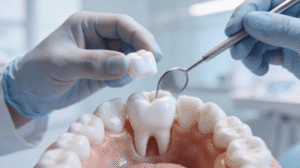
When people hear “preventive,” they sometimes think it means an extra cleaning or a lecture about flossing. It is much more practical than that. Prevention means routine exams, cleanings, gum checks, cavity detection, fluoride when needed, home care support, and a dentist who knows your medical history well enough to spot patterns early.
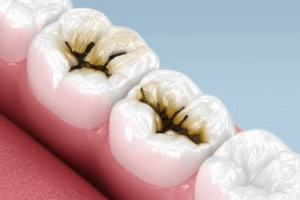
That matters because oral problems rarely stay small on their own. A little bleeding when you brush can turn into gum disease. A dry mouth issue can turn into several cavities in places you never had trouble before. A sore spot under a denture can become an infection if healing is slow. If your immune system is already under strain, even a basic dental problem can become a larger health burden.
The National Institute of Dental and Craniofacial Research explains that people with diabetes face a higher risk for gum disease and other oral complications. The NIDDK also notes that preventing gum disease and dental problems is part of protecting overall diabetes health. That is the key point. Oral care is not separate maintenance. It is part of chronic disease management.
Skipping routine dental visits often costs more later
You may already know the pattern. A routine visit feels easy to postpone when money is tight, energy is low, or you are tired of one more medical appointment. Then a cracked tooth starts hurting on a weekend, or bleeding gums become deep cleanings, antibiotics, and more visits than you wanted in the first place.
Preventive care is usually the lower stress path and often the lower cost one too. It gives your dental team the chance to adjust care to your condition, your medications, and your real life habits. If brushing is hard because of mobility limits, there are tools for that. If dry mouth is driving your cavities, there are strategies for that. If your blood sugar has been running high and healing is slower, timing and treatment planning can reflect that.
Preventive dental care is not about perfection. It is about staying ahead of avoidable problems and making your care more manageable.
Routine dental prevention versus delayed treatment
| Situation | Preventive approach | Delayed care outcome |
|---|---|---|
| Dry mouth from medication | Early exam, fluoride support, saliva strategies, closer cavity checks | Fast moving decay, tooth sensitivity, higher treatment costs |
| Bleeding gums with diabetes | Regular cleanings, gum monitoring, home care coaching | Progression to periodontal disease, discomfort, possible impact on blood sugar control |
| Limited hand mobility from arthritis | Adaptive toothbrushes, easier flossing tools, shorter preventive visits | Plaque buildup, gum inflammation, avoidable infection risk |
| Small cavity found at checkup | Simple filling and monitoring | Larger decay, root canal, crown, or tooth loss |
General dentist care works best when it is tailored to your health history
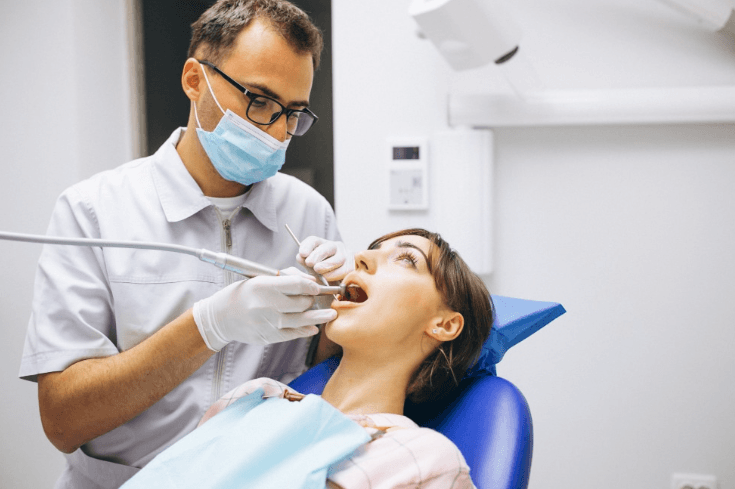
A good general dentist does more than look for cavities. They look at the whole picture. They ask what medications you take, whether your condition is stable, whether you notice dry mouth, bleeding, jaw pain, or trouble eating. They help connect the dots between symptoms that seem unrelated when you are dealing with them one at a time.
This is where oral health prevention for chronic illness becomes personal. One patient may need more frequent cleanings because gum disease risk is higher. Another may need a gentler home care plan because fatigue makes long routines unrealistic. Another may need treatment timed around medical therapy. The best plan is the one you can actually follow.
Three steps you can take right away
1. Share your full medical history and medication list. Bring updates to every dental visit. Changes in prescriptions, blood sugar control, immune status, or heart health can change how your mouth responds and how treatment should be planned.
2. Do not wait for pain to schedule care. Many dental problems start quietly. Bleeding gums, dry mouth, bad breath, mouth sores, and temperature sensitivity are enough reason to book an exam, even if nothing feels severe yet.
3. Ask for a prevention plan that fits your condition. If standard advice has not worked for you, say so. Ask about fluoride, dry mouth relief, gum maintenance, adaptive tools, and visit frequency based on your health risks, not a generic schedule.
see also: The 5 Best Business Storytelling and Executive Communication Courses
Prevention gives you one less health problem to chase
Living with a chronic condition already asks a lot from you. Dental prevention will not erase that load, but it can reduce one source of pain, cost, and disruption. When your mouth is healthier, eating is easier, infections are less likely, and one part of your care feels more under control.
If you are managing a long term health condition, routine visits with a general dentist are part of protecting your overall health. Schedule preventive care and deal with problems early, while they are still small and easier to treat.