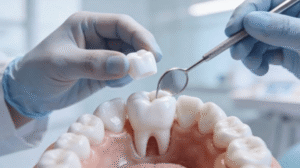

You may be reading this with one hand pressed against your cheek, trying to figure out how to get through the next few hours without making the pain worse. Dental pain has a way of taking over everything. Eating feels risky, sleep gets chopped up, and even a normal conversation can become hard when one side of your mouth is throbbing. If you are waiting for an urgent visit, the goal is simple. Keep yourself safe, bring the pain down as much as you can, and avoid doing anything that turns a bad tooth into a bigger problem. If your dentist has previously discussed crowns for teeth in Wichita falls, be sure to follow any temporary care instructions closely.
Managing dental pain before an emergency appointment usually comes down to a few safe basics. You can use cold compresses on the outside of the face, rinse gently with warm salt water, stick to soft foods, and use over the counter pain relief if it is safe for you. You also need to know the red flags that mean you should stop waiting and get immediate medical help. Trouble breathing, swelling that spreads, fever, or trouble swallowing are not symptoms to watch at home.
Dental pain before emergency care often has a clear cause
Tooth pain rarely appears out of nowhere. A cavity may have reached the nerve. A cracked tooth may be reacting every time air or liquid hits it. Gum infection can create pressure that feels deep and sharp, and an abscess can cause pain that pulses with your heartbeat. Sometimes the pain even spreads into the ear, jaw, or head, which is why people often second guess what they are feeling at first.
The hard part is that pain does not always match the size of the problem. A tiny crack can hurt a lot. A serious infection may start with pain that comes and goes, then suddenly become much worse overnight. That is why home care is only a bridge. It helps you cope while you wait, but it does not replace treatment from a general dentist.
If you are trying to manage a toothache before seeing a dentist, avoid the old myths. Do not place aspirin directly on the gum or tooth. It can burn the tissue. Do not put alcohol on the area. Do not keep chewing on the painful side to “test” whether it is getting better. Pain that flares with heat, pressure, or sweets is often a sign that the tooth is irritated enough already.
Pain control at home should lower risk, not add to it
Start with a warm salt water rinse. Swish gently, then spit. This can calm irritated tissue and help keep the area cleaner. If your face is swollen, use a cold compress on the outside of your cheek for short periods. Ice goes on the skin side, never directly on the tooth or gums.
Food matters more than people think when a tooth is inflamed. Soft foods reduce pressure. Very hot, very cold, sugary, or crunchy foods can stir the pain right back up. You might notice that even room temperature water feels easier to handle for a day or two.
Over the counter pain medicine can help, but only if you follow the label and your own medical limits. If you have ulcers, kidney disease, are pregnant, take blood thinners, or have liver problems, your safest option may be different from someone else’s. MedlinePlus has a clear overview of toothache symptoms and home care that can help you sort out what is reasonable while you wait.
Some people worry that stronger pain medicine is the only real answer. In many dental cases, the source of the pain is inflammation or infection, and the tooth still needs treatment. The National Institute of Dental and Craniofacial Research also explains the risks tied to opioids for dental pain, which is worth reading if you are weighing pain control options or have a history of medication concerns.
Safe home relief and risky shortcuts are not the same thing
| What you can do | How it helps | What to avoid | Why it can backfire |
|---|---|---|---|
| Warm salt water rinse | Soothes tissue and helps keep the area clean | Rinsing aggressively | Can irritate sore gums and increase bleeding |
| Cold compress on the cheek | May reduce swelling and dull pain | Ice directly on the tooth | Can trigger sharper pain in sensitive teeth |
| Soft, bland foods | Reduces pressure on the painful tooth | Crunchy, sticky, very hot, or sugary foods | Can worsen pain or dislodge damaged tooth structure |
| Medicine taken as directed on the label | Can reduce pain and inflammation | Taking extra doses or mixing medicines carelessly | Raises the risk of side effects and overdose |
| Keeping your head slightly elevated | May reduce pressure and throbbing at night | Lying flat for long periods when swelling is present | Can make pressure feel worse |
Temporary relief for dental pain still requires attention to warning signs
There is a difference between discomfort you can monitor for a short time and symptoms that need urgent help. Swelling that moves into the jaw, neck, or eye area is a serious concern. Fever, pus, a bad taste that keeps returning, or pain that becomes severe enough to limit swallowing can point to infection. If you have had trauma to the mouth and a tooth is loose, broken below the gumline, or completely knocked out, timing matters.
Money and scheduling stress can make people try to stretch things out. That is understandable. The trouble is that dental infections do not care about work shifts, weekends, or budgets. A problem that might have been handled with a filling or simple treatment can become a root canal, extraction, or emergency room visit when it is ignored too long. That is the real reason tooth pain relief before a dentist visit should stay focused on short term support, not delay.
Three steps you can take right now
1. Calm the area and reduce triggers. Rinse gently with warm salt water, use a cold compress on the outside of your face, and switch to soft foods and room temperature drinks. Brush carefully around the area so trapped food does not keep feeding the irritation.
2. Use pain medicine carefully. Follow the package directions exactly and factor in your health conditions, allergies, and other medicines. If you are unsure what is safe for you, call a pharmacist, your physician, or the dental office.
3. Watch for signs that waiting is no longer safe. Get urgent medical attention for facial swelling that spreads, fever, trouble breathing, trouble swallowing, or uncontrolled bleeding. Those symptoms move beyond routine dental discomfort.
See also: Unsecured Business Loans Canada: Funding Growth Without Traditional Collateral
Steady care now can prevent a worse dental emergency later
You do not need to “tough this out” without a plan. A painful tooth can make the day feel long and chaotic, but a few careful steps can lower the pain and reduce the chance of making it worse before you are seen. Focus on safe home care, avoid risky shortcuts, and pay close attention to swelling, fever, and breathing or swallowing changes. If your symptoms escalate, seek urgent help right away. If the pain is stable, keep your emergency appointment and let a dentist treat the cause, not just the ache.