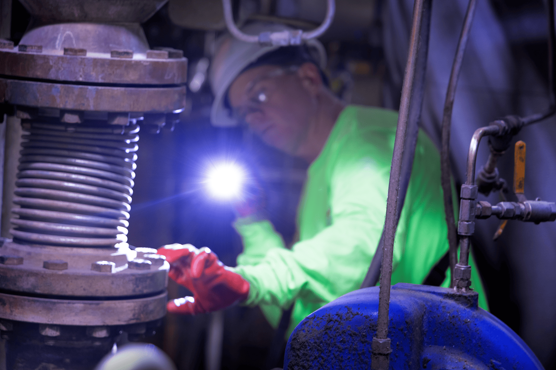

Today, predictive maintenance has evolved from a reactive form of assistance to a strategic benefit in modern industries. While previously it was either performed based on a predetermined maintenance schedule or conducted after a problem had occurred, nowadays it takes advantage of real-time analysis to predict the problems that might occur. All thanks to sensor technologies, data analytics, artificial intelligence, and industrial IoT solutions, maintenance has become more precise and economically beneficial than ever before. With manufacturers aiming at efficiency, safety, and minimizing the risks of downtime, the technology of predictive maintenance keeps evolving. This essay presents five ways of advancement in predictive maintenance.
Real-Time Data Collection Drives Faster Decisions
Among the important innovations in predictive maintenance is the possibility of gathering data about machinery in a constant way. Modern sensors constantly monitor equipment temperature, pressure, vibration, electric current, and the condition of the lubricants in the operating mode without stopping production. It means that there is no need for periodic manual examinations of equipment; now, technicians have constant information on how equipment works.
It helps to make decisions faster and avoid unnecessary maintenance operations. Once abnormal data comes, it is possible to examine concrete parts of equipment before a small problem turns into a serious failure. Constant monitoring also improves resource management since the maintenance process becomes more effective because it is based not on planning but on real data of the condition of equipment.
See also: Automotive Fog Light Bulbs: How to Choose the Right Upgrade for Your Vehicle
Extending Equipment Lifespan Through Condition-Based Maintenance
The modern concept of predictive maintenance focuses more on protecting important assets within industries over the course of their lifespan. As opposed to the replacement of components based on fixed maintenance schedules, the state of the equipment is first checked before any decisions can be made about how to service it. This approach reduces unnecessary part replacements while ensuring that worn components receive attention before significant damage develops.
Many facilities now invest in machine vibration analysis solutions to identify bearing wear, shaft misalignment, imbalance, and other mechanical defects during the earliest stages of deterioration. Combined with thermal monitoring, oil analysis, and ultrasonic inspections, vibration analysis provides a comprehensive understanding of machine health. These insights allow maintenance teams to make targeted repairs that minimize mechanical stress, improve operating efficiency, and extend equipment lifespan. The result is lower capital expenditure, improved asset utilization, and greater confidence in long-term production planning.
Artificial Intelligence Improves Failure Prediction
AI has helped predictive maintenance become highly accurate in terms of detecting certain patterns that conventional monitoring systems tend to miss. Machine learning uses large amounts of historical and real-time data to make sense of all kinds of subtle relations between how the equipment operates and its future breakdowns. The machine learning models become better and better with each new piece of data.
Not only does the machine detect the signs of a failure according to certain threshold values, but it also tracks the changes in performance that might suggest an impending problem with either the mechanical or electrical components. It makes it possible for maintenance personnel to take the necessary measures beforehand and even to order the necessary parts in advance in order to avoid any unplanned purchases.
Cloud Connectivity Enhances Maintenance Collaboration
The use of cloud technology has taken predictive maintenance beyond just one facility since operational data is available throughout the organization. The engineers, maintenance personnel, equipment manufacturers, and other stakeholders are able to evaluate machine performance through platforms where data from all facilities is collected. This kind of connectivity makes it easier for stakeholders to collaborate in case there are any unusual conditions in operations.
With remote access, it is possible to make a diagnosis of the equipment problems without visiting the place where the problem happens. Historical maintenance data, inspection results, and performance of the equipment will be easily accessed through cloud platforms, and thus comparisons can be made about how assets perform in various settings.
Predictive maintenance has now become an expert field that is driven by smart technologies, constant monitoring, smart analysis, cloud-based services, and condition-based decision-making. These advancements enable companies to avoid failures, schedule maintenance tasks correctly, protect their assets, and work effectively in complicated industrial environments. With further progress in digital technology, predictive maintenance will stay an integral part of manufacturing for businesses to grow sustainably and effectively.