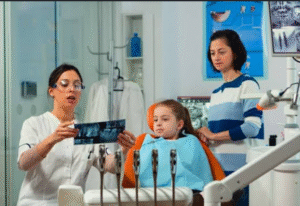

You go in expecting a routine eye exam, maybe a new prescription, maybe reassurance that the blur or pressure you noticed is nothing serious. Then your eye doctor says you need to see a specialist for glaucoma treatment in Austin TX. That can land hard. It is easy to hear that referral as bad news, or to wonder if something was missed earlier, or to worry about cost, timing, and what comes next.
Most referrals are not a sign that your regular provider failed you. They are often the clearest path to faster answers and the right treatment. Some eye problems need advanced testing, surgery planning, or long term disease management that falls outside a standard exam. Specialist referrals from eye doctors are usually about getting you to the right level of care before a problem gets worse.
Eye disease often needs care beyond a routine exam
A general eye doctor can catch a lot during a comprehensive exam. They can spot warning signs, track changes in your vision, and begin treatment for many common issues. Certain conditions need a subspecialist because the stakes are higher and the treatment options are more complex.
One of the clearest examples is diabetic eye disease. Diabetes can damage the blood vessels in the retina, sometimes before you notice any change in sight. If your exam shows bleeding, swelling, or signs of diabetic retinopathy, a referral to a retina specialist may follow quickly. The reason is simple. Retinal damage can progress quietly, and delaying care can raise the risk of permanent vision loss. The CDC explains how diabetes can affect vision and lead to eye complications, which is why eye doctors take these findings seriously.
Glaucoma is another common reason. You may have high eye pressure, optic nerve changes, or visual field loss that points to a disease process needing closer management. Some patients do well with drops and routine monitoring. Others need imaging, laser treatment, or surgery discussions with a glaucoma specialist. According to MedlinePlus information on glaucoma, early treatment matters because vision lost from glaucoma cannot usually be restored.
Cataracts become a surgical issue when daily life starts to shrink
Cataracts are common, and not every cataract needs a referral right away. Many people live with mild lens clouding for years. The turning point is not just what your eye looks like under the exam light. It is what your life looks like. Night driving becomes tense. Reading takes more effort. Colors seem dull. Glare from headlights starts to feel dangerous.
When that happens, your eye doctor may refer you to a cataract surgeon for a deeper evaluation. That does not mean you are locked into surgery on the spot. It means you deserve a clear conversation about whether the cataract is causing the drop in function and whether surgery would help. The National Eye Institute outlines what to expect from cataract surgery and recovery, including how the procedure is used once cataracts interfere with daily activities.
This is one of the most common reasons an eye doctor refers you to a specialist. The issue is not just blurry vision. It is lost independence, slower reaction time, and the creeping habit of avoiding tasks you used to do without thinking.
Retinal symptoms can signal urgent problems
Some symptoms push a referral from routine to urgent. Flashes of light, a sudden shower of floaters, a shadow in your side vision, or straight lines that start to look bent can point to retinal tears, detachment, or macular disease. These are not symptoms to watch for a few weeks and hope away.
Your regular provider may detect the problem during an exam, or you may call because something changed overnight. Either way, a retina specialist may need to see you the same day. That speed is not overreaction. The retina is delicate tissue, and time matters. A tear caught early may be treated before it becomes a detachment. Swelling in the macula may need injections or imaging that a specialist handles routinely.
This is where eye specialist referral situations become very practical. The goal is not to alarm you. The goal is to protect the vision you still have.
Children and complex vision conditions may need targeted expertise
Adults are not the only ones referred out. Children with crossed eyes, lazy eye, focusing problems, or unusual eye movements often need a pediatric eye specialist. These cases can be emotional for parents because the signs are easy to second guess. Maybe your child sits too close to the screen. Maybe one eye drifts only when they are tired. Maybe the school noticed something before you did. A specialist can sort out whether it is a temporary issue, a need for glasses, or a condition that responds best to early treatment.
Adults may also be referred for corneal disease, severe dry eye that does not improve, double vision, or eyelid problems affecting sight. A routine exam can identify the problem. A subspecialist can offer the testing or procedures needed to address it fully.
Referral timing often depends on risk, urgency, and treatment options
| Situation | Why referral happens | Typical specialist | How urgent it may be |
|---|---|---|---|
| Diabetic retinopathy or retinal swelling | Risk of progressive retinal damage and vision loss | Retina specialist | Prompt, sometimes within days |
| Glaucoma signs or uncontrolled eye pressure | Needs advanced monitoring, laser, or surgery planning | Glaucoma specialist | Prompt, based on severity |
| Cataracts affecting driving, reading, or safety | Surgical evaluation may improve daily function | Cataract surgeon | Elective but time sensitive when function drops |
| Flashes, floaters, curtain over vision, distorted central vision | Possible retinal tear, detachment, or macular disease | Retina specialist | Often same day |
What you can do right after an eye doctor referral
1. Ask what the referral is meant to rule out or confirm.
You do not need to leave with vague fear. Ask for the working concern in plain language. Is the doctor worried about glaucoma, a retinal issue, or cataracts that have reached the point of surgery? Ask how quickly you should schedule and what symptoms should trigger a faster call.
2. Bring your records and a symptom timeline.
Write down when the problem started, whether it is getting worse, and what you notice most during the day. If you have diabetes, high blood pressure, autoimmune disease, or a history of eye surgery, include that. Good details help the specialist move faster and make better decisions.
3. Do not wait out sudden changes in vision.
If your referral involves new flashes, floaters, a dark curtain, eye pain, or rapid vision loss, treat that as urgent. Call the specialist the same day. If you cannot reach the office and your symptoms are escalating, seek emergency care.
See also: Unsecured Business Loans Canada: Funding Growth Without Traditional Collateral
The right referral can protect your sight and reduce uncertainty
Hearing that you need a specialist can shake you, especially if you walked in expecting a simple exam. Still, many of the most serious eye conditions respond best when they are caught early and handed to the right expert quickly. A referral is often the next smart step, not a reason to panic.
If your eye doctor recommends further care, schedule it as soon as you can and get clear on the reason, the urgency, and the treatment path ahead. Taking that referral seriously gives you the best chance to protect your vision and get back to daily life with more confidence.