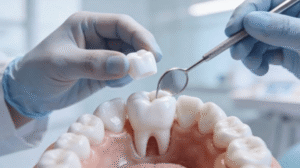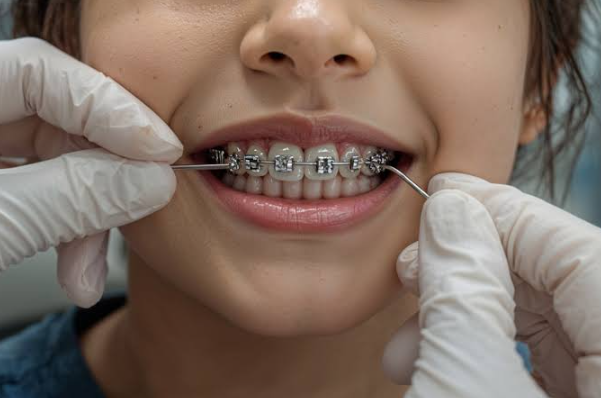

You finally scheduled the visit, and now the nerves start. A first orthodontic records appointment can feel oddly serious, even when it is routine. You may be wondering what they will take, what they will find, how long it will take, and whether your child or you will need braces right away. That mix of relief and stress is common. Your Atascocita family dentist may also help you understand what to expect before the appointment.
The good news is that a family dentist often makes this step much easier. Before you ever sit in the orthodontic chair, your dentist can spot issues, explain the process in plain language, and help you walk in prepared instead of overwhelmed. That is one reason family dentists help patients prepare for their first orthodontic records appointment in ways many people do not expect.
Family dentists identify orthodontic concerns before the records visit
Most people do not call an orthodontist out of nowhere. The process usually starts during a regular dental exam, when a family dentist notices crowding, bite changes, delayed eruption, spacing, or habits like thumb sucking that affect tooth position. Early guidance matters because orthodontic problems often build slowly, and what looks minor at home can be more involved once the bite is measured.
If a child has baby teeth that are not falling out on time, or an adult has shifting teeth after years of stability, that first conversation with a family dentist can keep small concerns from turning into bigger treatment needs. The National Library of Medicine offers a plain language overview of orthodontia and how treatment works, which can help if you want a quick grounding before the appointment.
This is where a first orthodontic consultation preparation plan starts to take shape. Your dentist can tell you whether the issue seems urgent, developmental, cosmetic, or functional, and that changes how you approach the records appointment.
Family dentists help you understand what orthodontic records include
A lot of the stress comes from not knowing what “records” means. People hear the term and assume it involves pain, complicated testing, or a same day treatment decision. In most cases, orthodontic records include photos of the teeth and face, digital scans or impressions, and X rays that help the orthodontist study jaw growth, tooth position, and bite relationships.
Your family dentist can explain why each part matters before you arrive. That matters more than it sounds. When patients know what is coming, they are less tense, kids cooperate better, and parents ask better questions. If a child is anxious about X rays or mouth scans, hearing about the process in a familiar dental office often lowers the fear before the specialty visit.
If you are also wondering who you will meet and what that first interaction may feel like, the ADA has helpful guidance on meeting the doctor and building comfort with a dental professional.
Family dentists address dental issues that can delay orthodontic treatment
Orthodontic records are not just about crooked teeth. The orthodontist also needs a healthy mouth to plan treatment well. Cavities, gum inflammation, untreated tooth pain, and poor brushing habits can all complicate the next step. If those issues are present, the records appointment may still happen, but treatment may not move forward until the mouth is stable.
This is one of the clearest ways a family dentist and orthodontist work together. Your family dentist may recommend a cleaning, fillings, sealants, or habit coaching before active orthodontic care begins. That saves time and cuts down on the frustration of hearing “we need to wait” after you thought you were ready.
When parents hear that a child may need extractions, spacers, or monitoring before braces, the worry can spike fast. Some tooth eruption concerns are developmental and common, including teeth that come in late or in the wrong position. MedlinePlus explains tooth eruption issues and what they can mean, which can make those conversations easier to follow.
Preparation through a family dentist often leads to better questions and better timing
The first records appointment is not just about gathering images. It is also about decision making. Should treatment start now or later. Is this a two phase case. Is the concern cosmetic, functional, or both. Are retainers, expanders, or braces likely. Patients who come in with no background often leave feeling flooded with information.
A family dentist can help you sort your priorities before the visit. If cost is the main concern, you can ask about timing, phases, and whether waiting changes the outcome. If your child is already self conscious, you can ask about visible appliances, comfort, and school impact. If you are an adult, you may want to ask how treatment fits around crowns, implants, or gum care.
| Before the records appointment | Without family dentist guidance | With family dentist guidance |
|---|---|---|
| Understanding of the process | Unclear expectations about scans, photos, and X rays | Knows what records include and why they matter |
| Dental health status | Hidden cavities or gum issues may delay treatment | Problems are treated or identified early |
| Questions for the orthodontist | General or rushed questions | Focused questions about timing, options, and costs |
| Child or patient anxiety | Higher stress from uncertainty | More confidence from familiar explanations |
Family dental support makes orthodontic planning feel more manageable
Orthodontic treatment can affect your schedule, budget, and daily routine for months or years. That is a lot to carry into one appointment. A family dentist often acts as the bridge between routine care and specialty care, which makes the process feel less fragmented. You are not starting from zero. You are building on a relationship that already knows your history, habits, and concerns.
That support matters whether you are planning care for a child or looking into orthodontic appointment preparation for yourself. It turns a specialty visit from a stressful unknown into a more informed next step.
Three steps you can take before the first orthodontic records appointment
Ask for a dental status check. If you have not had a recent cleaning or exam, schedule one first. A family dentist can catch issues that may affect timing and help you avoid delays after the records are taken.
Write down your real concerns. Keep it simple. Are you worried about cost, timing, appearance, pain, or whether treatment is even needed. Bring those concerns to both the family dentist and the orthodontist so the conversation stays useful.
Gather your dental history. Bring recent X rays if requested, a list of prior dental work, and any notes about habits, jaw discomfort, or tooth shifting. This helps the orthodontic team build a clearer plan from the start.
That first records visit does not need to feel like a leap into the unknown. With the right support, it becomes a fact finding appointment, not a source of panic. Family dental care helps you show up informed, calmer, and ready to make decisions that fit your health and your life.
If you are getting ready for a first orthodontic records appointment, start with a trusted family dentist and orthodontist who can guide the process from the beginning.