
You may be excited about whitening, veneers, or dental implants, then hear your dentist in Annapolis, MD pause and say they want to check your gums, bone, or soft tissue first. That can feel frustrating. You came in thinking about how your smile will look, and suddenly the focus shifts to pockets around teeth, signs of infection, bite pressure, and healing ability. Still, that pause is often what protects your result.end
How Family Dentists Monitor Oral Health Before Cosmetic Or Implant Treatment comes down to one simple idea. A good-looking result needs a healthy foundation. If gum disease, decay, bone loss, dry mouth, clenching, or suspicious tissue changes are missed, cosmetic work can fail early and implant treatment can become harder, longer, and more expensive. Family and cosmetic and implant dentistry works best when appearance and health are treated together, not as separate goals.
Family dentists check the foundation before cosmetic and implant dentistry begins
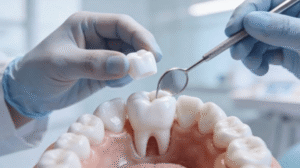
Before a crown, veneer, bridge, whitening plan, or implant is scheduled, family dentists usually start with a full oral health review. That often includes digital X rays, gum measurements, bite evaluation, photos, and a close look at existing fillings, crowns, and soft tissue. The point is not to slow you down. The point is to catch the problems that can quietly ruin a result after you have already paid for treatment.
Gum health is one of the biggest reasons for this careful approach. Inflamed gums bleed more easily, pull away from teeth, and can change how cosmetic work looks once the swelling settles. If implants are being considered, unhealthy gums and untreated periodontal disease raise the risk of bone loss and implant complications. The National Institute of Dental and Craniofacial Research explains how gum disease can damage the tissues that support teeth, often without much pain in the early stages.
Decay is another common issue. A tooth may look fine from the front and still have a cavity around an old filling or under the edge of a crown. If that tooth is covered with new cosmetic work without fixing the decay, the problem keeps growing underneath. You might not notice until there is pain, breakage, or an infection that forces the restoration to be removed.
Bite force matters more than many people expect. If you grind your teeth at night or hit one side harder than the other, veneers can chip, bonding can wear faster, and implants can take more pressure than the surrounding teeth. A family dentist often catches this by looking for wear patterns, muscle tenderness, small fractures, or looseness in older dental work.
Soft tissue screening also belongs in this stage. A sore spot, thickened patch, or ulcer that has not healed needs attention before elective treatment moves forward. The National Cancer Institute outlines the purpose of an oral cancer screening, which helps dentists identify changes that may need follow up. Most findings are not cancer, but they should not be ignored.
Oral health checks before dental implants reduce risk and protect your investment
Implant treatment has its own set of checks because an implant depends on bone support and healthy healing. Your dentist may review bone levels on imaging, look at sinus position in the upper jaw, check for untreated infection, and ask about smoking, diabetes, medications, or a history of grinding. None of that is busywork. It shapes whether an implant can be placed now, whether grafting is needed first, and how likely long term success will be.
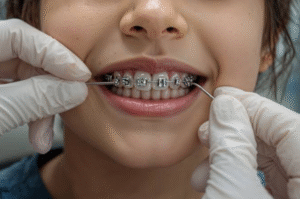
Cosmetic cases need planning too, even when surgery is not involved. Teeth whitening may be delayed if there is active decay or exposed root surfaces that would make sensitivity worse. Veneers may need gum treatment first if the gumline is uneven because swollen tissue can make the final shape look off. A patient may think they need a full smile makeover when the real issue is worn edges from clenching and untreated reflux. Fixing the cause first usually saves money and prevents repeat treatment.
This is where pre treatment dental evaluations become more than a checklist. They help your dentist decide what should happen first, what can safely wait, and what options fit your mouth as it is now, not as it appears in one photo.
Common findings before treatment and how they affect your plan
| Finding | Why it matters before treatment | Possible next step |
|---|---|---|
| Gum inflammation or bleeding | Can affect appearance, healing, and implant stability | Professional cleaning, periodontal care, home care changes |
| Untreated decay | Can spread under new cosmetic work | Fillings, crown repair, decay removal first |
| Bone loss | May limit implant placement or long term support | 3D imaging, grafting, alternate treatment plan |
| Teeth grinding or heavy bite force | Raises risk of chipping, wear, and implant overload | Bite adjustment, night guard, material selection changes |
| Dry mouth or poor hygiene | Increases risk of decay, irritation, and maintenance problems | Review of oral hygiene, saliva support, recall visits |
| Suspicious soft tissue changes | Needs evaluation before elective work proceeds | Recheck, referral, biopsy if needed |
Small steps now make cosmetic and implant dentistry smoother later
Schedule the health first visit. If you are thinking about veneers, whitening, or implants, ask for a full exam and diagnostic review before choosing the final treatment. That visit gives you a clearer timeline and often prevents surprise costs.
Be honest about symptoms and habits. Mention bleeding gums, bad breath, jaw soreness, clenching, smoking, dry mouth, or medications. These details can change whether a treatment is likely to last.
Follow the prep plan exactly. If your dentist recommends gum therapy, a filling, a night guard, or better home care before cosmetic work, do that part first. It may not feel exciting, but it is often the reason the final result stays stable.
See also: The Value Of Strategic Business Consulting From Accounting Firms
Healthy support makes smile treatment last longer
The best cosmetic and implant results rarely start with the visible part. They start with the careful checks that find problems early, lower risk, and give your treatment a better chance to last. If you have been told to handle gum health, decay, bite issues, or screening before moving ahead, that is not a setback. It is the part that protects your smile, your comfort, and your investment.
If you are considering family and cosmetic and implant dentistry, start with a dental team that looks at your full oral health before recommending the final plan.