
You notice it in photos first. Then in the mirror. Then during simple things like talking, laughing, or sitting across from someone at lunch. A stain that does not lift no matter how often you brush. A small chip that catches your tongue. A gap that has always bothered you, even if everyone else says they barely see it. These issues can feel minor on paper and exhausting in real life, which is why many people seek help from a dentist in South Holland, IL.
That is where cosmetic dental care often helps. Some treatments brighten stained enamel. Others reshape worn or chipped teeth. Others close spaces and create a more even smile. The right option depends on what is causing the problem, how much tooth structure is involved, and whether the issue is only cosmetic or also functional. How cosmetic dentistry addresses stains, chips, and gaps comes down to matching the treatment to the tooth, not forcing every concern into the same fix.
Stains, chips, and gaps affect more than appearance
Discoloration is not always surface deep. Coffee, tea, red wine, and tobacco can darken teeth over time, but some stains sit deeper inside the tooth and respond differently to whitening. MedlinePlus explains that tooth discoloration can have several causes, including aging, medicines, trauma, and certain foods. That matters because the source of the stain often decides whether whitening, bonding, or veneers make sense.
Chips bring a different kind of stress. A tiny edge fracture may seem cosmetic at first, but it can sharpen the bite, alter the way your teeth meet, or grow worse if you grind your teeth at night. Gaps can be just as layered. Some are harmless spaces you simply want to close. Others are tied to tooth movement, missing teeth, gum changes, or bite issues that need a closer look before any cosmetic work starts.
You might be thinking the same thing many people do. If the problem is visible, why not just cover it? Because quick fixes can fail when the real issue sits underneath. Whitening strips will not repair a chip. Bonding can improve a gap, but if your bite pushes against the area every day, that repair may not last as long as you hoped. Good cosmetic dentistry starts with a careful exam because appearance and function live in the same mouth.
Cosmetic dentistry uses different treatments for different problems
For stains, professional whitening is often the first place to look when the enamel is healthy and the discoloration is likely to respond. The American Dental Association notes that teeth whitening can be done in office or with dentist supervised take home systems, and the approach depends on your goals and the type of staining present. This is one reason store bought products can disappoint. They are not tailored to the shade change your teeth can realistically achieve.
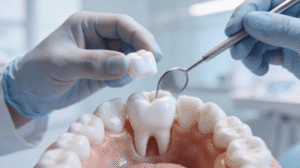
For chips and small gaps, dental bonding is often a conservative option. A tooth colored resin is shaped and polished to improve form and symmetry. It usually requires less removal of tooth structure than veneers or crowns, which makes it appealing when the damage is limited. Bonding can also be a practical choice if you want a visible improvement without a larger investment up front.
Veneers come into the conversation when stains are stubborn, chips are more noticeable, or gaps affect several front teeth and you want a broader design change. According to MouthHealthy, veneers are thin coverings placed on the front surface of teeth to improve color, shape, and position. They can create a dramatic change, but they are not a casual decision. They require planning, precision, and a clear understanding of what can and cannot be changed safely.
This is also where smile repair for stains chips and gaps overlaps with restorative dentistry. If a chipped tooth has decay, if a gap formed because a tooth is missing, or if worn enamel has weakened the tooth, the plan may include crowns, implants, or other restorative care before or along with cosmetic treatment. Looking better and staying healthy should not compete with each other.
Professional treatment and DIY fixes are not equal
| Concern | DIY Approach | Professional Cosmetic Option | What to Keep in Mind |
|---|---|---|---|
| Surface stains | Whitening toothpaste or strips | In office or supervised whitening | DIY products may help mild stains, but deeper discoloration often needs a stronger, guided approach |
| Deep or uneven stains | Repeated over the counter whitening | Whitening, bonding, or veneers | Too much unsupervised whitening can increase sensitivity without fixing the color problem |
| Small chip | Smoothing only if advised, otherwise none | Bonding or contouring | A chip can look minor and still affect bite or crack further |
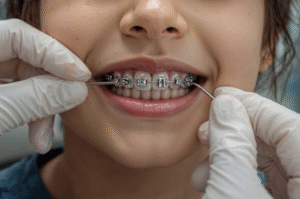
| Noticeable gap | No safe home method | Bonding, veneers, or orthodontic treatment | Closing a gap without checking tooth position and bite can create new problems |
Cosmetic dentistry for chipped teeth and stained teeth is not just about what looks fastest in the short term. It is about durability, comfort, and knowing whether the treatment fits your enamel, gums, and bite. A cheap fix that needs frequent repair can cost more over time, both financially and emotionally.
Clear next steps make the process feel manageable
Start with the reason the tooth changed. Ask whether the problem is surface level, structural, or both. A stain from coffee is different from discoloration caused by trauma. A gap you have had since childhood is different from one that appeared recently. That history helps shape the right plan.
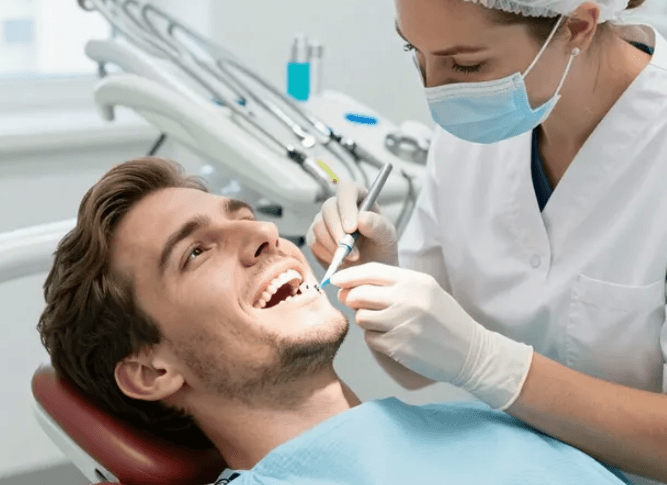
Get a cosmetic and restorative evaluation together. If you are exploring cosmetic dentistry treatment, ask for an exam that checks enamel health, gum condition, bite forces, and any old dental work nearby. A smile upgrade lasts longer when the foundation is sound.
Compare options by lifespan, maintenance, and cost. Do not stop at the first price quote. Ask how long bonding may last in your case, whether whitening will work on your type of stain, and what future upkeep veneers may require. A treatment that looks affordable today may need more touch ups later.
See also: The 5 Best Business Storytelling and Executive Communication Courses
A better smile should also feel stable and natural
If stains, chips, or gaps have been bothering you for a while, you are not overreacting. Small dental flaws can take up a surprising amount of mental space. The good news is that modern general, cosmetic, and restorative dentistry offers more than one path forward, and the best results usually come from choosing the least invasive treatment that truly solves the problem.
You do not need to guess which option fits your smile. A thoughtful dental evaluation can show you what is cosmetic, what is structural, and what can be improved safely so your smile looks natural and feels like your own.