
Mobile payments and digital wallets have become integral components of modern financial transactions. Their rise reflects a growing consumer demand for efficiency and convenience. However, this shift is not devoid of challenges, particularly in the realms of security and privacy. As technology evolves, so too do the methods of safeguarding personal information. Understanding these dynamics will be crucial as the landscape of mobile transactions continues to transform and innovate.
The Rise of Mobile Payments
As consumer preferences shift towards convenience and efficiency, the rise of mobile payments has fundamentally transformed the financial landscape.
Contactless technology has enabled seamless transactions, fostering greater user adoption across various demographics.
This evolution reflects a broader trend towards digitization, emphasizing the demand for instant, accessible payment solutions that align with modern lifestyles.
Ultimately, this trend is reshaping how individuals engage with financial services in their daily lives.
Benefits of Digital Wallets
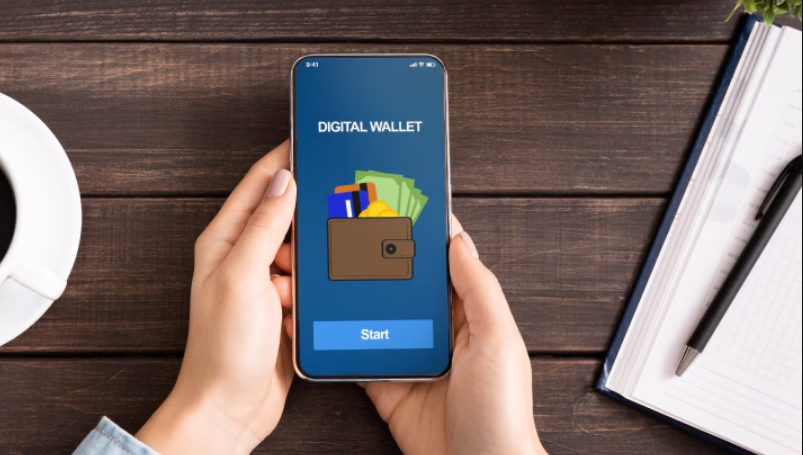
Digital wallets offer a range of advantages that enhance the consumer payment experience, particularly in a landscape increasingly dominated by mobile payment solutions.
The convenience factor of digital wallets simplifies transactions, allowing users to make payments swiftly and efficiently. This streamlined approach encourages user adoption, as consumers increasingly seek solutions that align with their desire for speed and ease in financial interactions.
See also: Mobile Operating Systems Explained
Security and Privacy Concerns
While the adoption of mobile payments and digital wallets continues to rise, concerns regarding security and privacy remain prominent among consumers and industry experts alike.
The reliance on biometric authentication for user verification and data encryption for transaction protection is critical.
However, vulnerabilities in these technologies can expose sensitive information, leading to identity theft and fraud, underscoring the necessity for robust security measures.
Future Trends in Mobile Transactions
With the rapid evolution of technology, the future of mobile transactions appears poised for significant transformation.
Contactless technology will become increasingly prevalent, enhancing user convenience and security.
Simultaneously, cryptocurrency integration is set to redefine payment paradigms, offering decentralized alternatives to traditional methods.
Together, these trends promise a more fluid, accessible, and innovative landscape for consumers seeking freedom in financial transactions.
Conclusion
In summary, mobile payments and digital wallets signify a transformative shift in financial transactions, emphasizing convenience and efficiency. While the integration of advanced security measures addresses privacy concerns, the potential for further innovations, such as cryptocurrency adoption, raises intriguing questions. As technology continues to evolve, will consumers fully embrace these advancements, or will lingering fears of security hinder their widespread acceptance? The ongoing evolution of mobile transactions is poised to redefine the financial landscape, inviting ongoing scrutiny and adaptation.