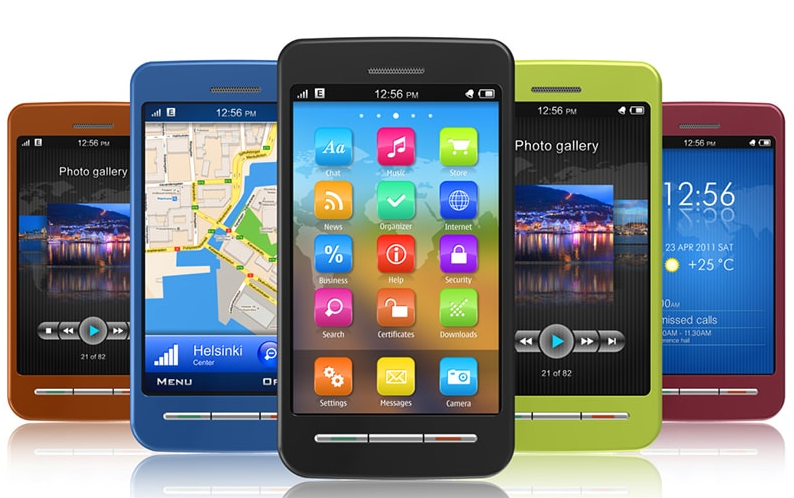

Mobile operating systems play a crucial role in the functionality of smartphones and tablets. They act as a bridge between hardware and software, ensuring smooth operation and user interaction. With various platforms available, such as iOS and Android, each offers unique features and customization options. As technology continues to advance, these systems are poised for significant evolution. What innovations lie ahead, and how will they reshape user experiences?
What Are Mobile Operating Systems?
Mobile operating systems serve as the backbone of modern smartphones and tablets, enabling seamless interaction between hardware and software.
These systems comprise a mobile platform that supports various applications and services, governed by a specific software architecture.
Key Features of Mobile Operating Systems
The efficiency of mobile operating systems is underscored by their key features, which collectively enhance user experience and device performance.
Notably, robust app compatibility ensures users can seamlessly access a wide range of applications.
Additionally, regular security updates protect devices from vulnerabilities, fostering a secure environment.
These features empower users, offering both freedom and control over their mobile experience while maintaining device integrity.
See also: Mobile Banking Technology Explained
Popular Mobile Operating Systems: A Comparison
Which mobile operating systems currently dominate the market landscape, and how do they compare against one another?
iOS advantages include a seamless user experience and robust security, appealing to those valuing stability.
In contrast, Android flexibility allows users to customize their devices extensively, catering to diverse preferences.
This comparison highlights the strengths of each operating system, ultimately reflecting the users’ desires for both freedom and functionality.
The Future of Mobile Operating Systems
A significant shift is anticipated in the landscape of mobile operating systems as technology continues to evolve at a rapid pace.
The future will likely see deeper AI integration, enabling smarter, more intuitive user experiences.
Additionally, enhanced user customization options will empower individuals to tailor their devices to their unique preferences, fostering a sense of personal freedom and control over their digital environments.
Conclusion
In the ever-evolving landscape of technology, mobile operating systems are not merely tools; they are the invisible threads weaving together our digital lives. As user preferences shift and advancements in artificial intelligence emerge, these systems will gracefully adapt, enhancing personalization and improving security. While the giants of the industry continue to vie for dominance, the true winners will be the users, who will benefit from an enriched and fluid mobile experience, paving the way for a smarter, more connected future.